
Sales Cycle Automation: A 90-Day Plan for Small Teams
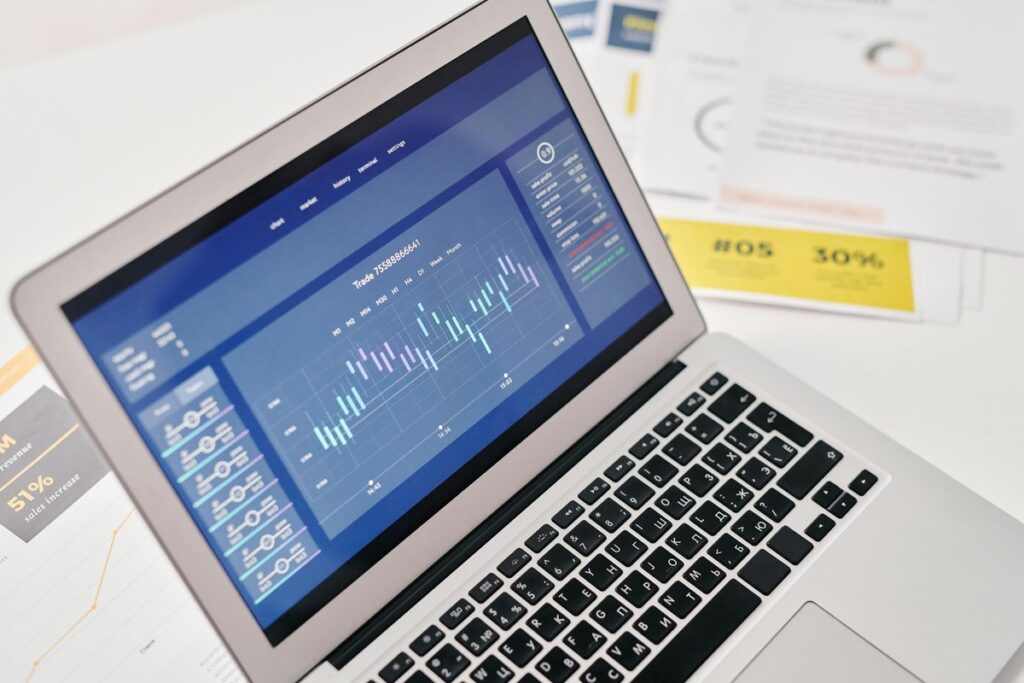
Sales cycle automation shortens deals by taking the repetitive steps, such as follow-ups, reminders and data entry, off people’s plates, so leads stop going cold while someone is busy. Many sales cycles still run on sticky notes, memory and a spreadsheet nobody fully trusts.
Leads slip away, promising conversations stall, and reps spend more time maintaining records than talking to customers. This guide lays out a three-month approach: automate the boring parts first, then track what really changes. It covers what tends to work, what goes wrong, and how to do it without buying tools you do not need.
Table of Contents
Why Automate the Sales Cycle in the First Place
The usual trigger is daily friction. Leads slip through the cracks, follow-ups get forgotten, and deals sit in a spreadsheet nobody trusts enough to act on. Manual data entry is often the biggest drain, taking hours each week that should go into selling.
So before touching a tool, write down a goal: fewer lost opportunities, cleaner data, a few hours back in the week. That framing matters more than it seems. Automation is not about replacing salespeople or turning outreach into a cold machine. It is about clearing the busywork around real selling so people can focus on conversations. With the goal fixed, every later decision gets one simple test: does this remove friction, or does it add another dashboard someone has to check?
Cleaning Up the Mess Before Automating Anything
You cannot automate chaos. Duplicate contacts, half-filled records and pipeline stages that mean different things to different people do not disappear when automation is added. They get amplified.
Plan the first weeks for unglamorous cleanup. Standardize pipeline stages so everyone means the same thing by “qualified”, and deduplicate the contact list, which in most teams holds several versions of the same buyer. A modern CRM earns its keep here by centralizing customer data, so every email, note and call lives in one place instead of across inboxes and half-remembered conversations. That single source of truth is what makes everything downstream reliable, and it is the reason automated steps later hold up under real volume.
Automating the Follow-Ups That Fall Through the Cracks
Follow-ups are usually the fastest and most visible win. Instead of relying on memory, build personalized sequences triggered by lead behavior: a demo booked, an email opened, a quote left hanging. When a deal goes quiet, reminders and tasks are created automatically, so nothing depends on someone remembering to act. Response times tend to improve for a simple reason: the system does not forget. These sequences are worth automating first:
- Welcome emails that reach a new lead within minutes, not days
- Post-demo check-ins that arrive while the conversation is still fresh
- Re-engagement nudges for cold leads that have gone silent
- Renewal reminders so existing customers never lapse by accident
None of these replaces a genuine conversation. They make sure the timing is right. Example post-demo check-in: “Thanks for the time today. Here is the summary of what we covered and the two questions you asked. Would Thursday work for a short call on pricing?”
Letting AI Score Leads and Predict What Closes
AI becomes useful once the data is clean, and not before. AI lead scoring ranks prospects by how likely they are to convert, so the team works the right names first instead of going down the list top to bottom. Sales forecasting gives a grounded view of the pipeline based on real signals rather than gut feeling, which makes planning less stressful.
Some platforms, EpicCRM among them, build this intelligence into the workflow instead of adding it as a separate tool, which keeps scoring and outreach in one flow. Treat the scores as a guide, not gospel. A model surfaces patterns people miss, but human judgment should still decide the edge cases, especially unusual deals and long-standing relationships that numbers do not capture.
What Usually Works in Sales Cycle Automation, and What Doesn’t
Rollouts rarely go smoothly from day one. These practical rules are listed roughly in order of importance:
- Start small and automate one stage at a time rather than the whole cycle at once.
- Keep a human in the loop for anything involving judgment or nuance.
- Review your sequences monthly, because messaging that felt fresh in week one gets stale fast.
- Measure before and after so you can prove the change is real.
A common early mistake is over-automating. Outreach starts to sound robotic and templated, and the fix is to dial it back and return the personal touch. Tip: automate the repetitive mechanics, such as timing, reminders and data capture, but keep relationship-building in human hands. Do not expect an overnight revenue jump. The realistic payoff is reclaimed time and consistency that compound over the months.
How to Start Automating Your Own Sales Cycle
Begin with the process, not the software. Map the current process on paper first: if you cannot draw it, you cannot automate it well. Then find the three most repetitive, low-judgment tasks done every week, such as logging activity or sending the same first reply, and automate those first.
- Month one: clean the data, agree on pipeline stages, record the baseline.
- Month two: switch on follow-up sequences and automatic reminders for one stage.
- Month three: add lead scoring, review the sequences, compare against the baseline.
When choosing a platform, lean toward a CRM with built-in automation and AI, so you are not stitching together disconnected tools and maintaining fragile integrations. Pick a couple of simple metrics, response time and number of stalled deals work well, and write them down before changing anything. Those baseline numbers turn a vague “this feels better” into evidence you can defend.
FAQ
Will sales automation make my outreach feel impersonal to customers?
Not if the line is drawn in the right place. Automate routine triggers, reminders and data entry, and keep the actual messaging personal. Let the system handle timing and information so nothing gets dropped, and let people handle tone, empathy and the relationship. Customers rarely notice good automation; they notice a fast, relevant, well-timed reply. Problems start when businesses automate the human parts too and send generic templates where a real response belonged.
What to Expect After 90 Days
Automation rewards preparation. Clean data and a well-defined process matter more than the specific tool, and no software makes up for messy inputs. The payoff to look for after three months is consistency: no lead forgotten, every follow-up sent on time, and a pipeline that can be read at a glance. Start small, keep people in charge of judgment calls, and let the system carry the repetition. Even without a new subscription, mapping and tightening the sales cycle on paper is worth doing. That discipline is also what makes sales cycle automation safe to extend, since many of the sales tasks AI already handles depend on exactly this kind of clean, well-mapped process.